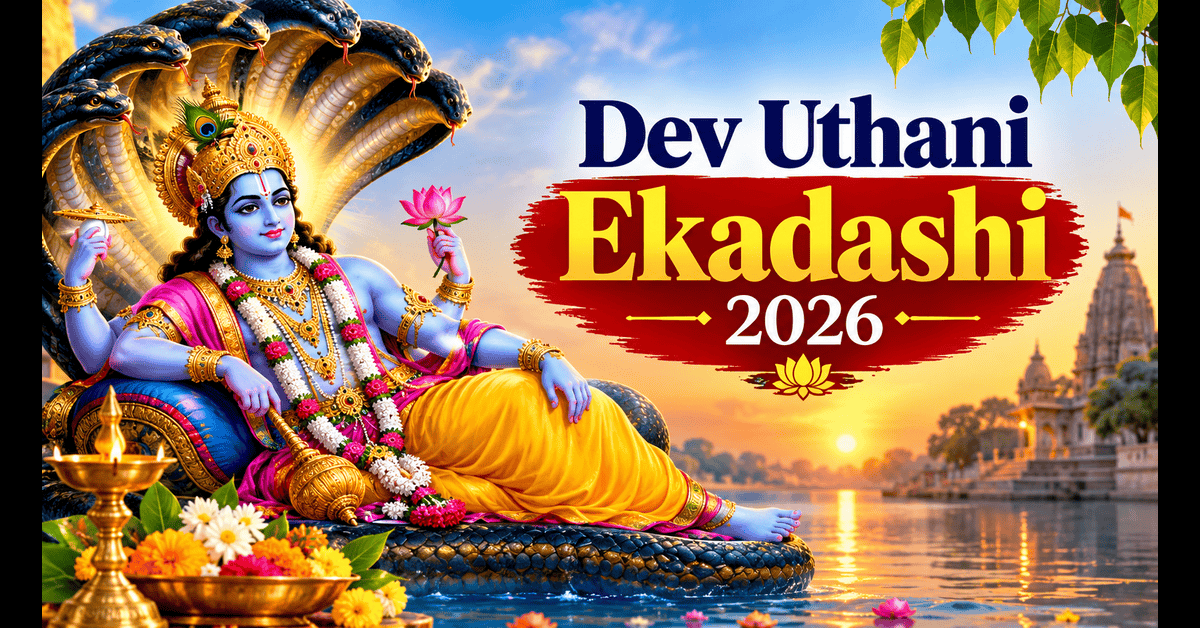
Dev Uthani Ekadashi 2026 is an important Hindu festival dedicated to Lord Vishnu. Also known as Devutthana Ekadashi and Prabodhini Ekadashi, this sacred occasion marks the traditional awakening of Lord Vishnu after four months of divine rest. Devotees observe a fast, offer prayers, perform charitable activities and seek the blessings of Shri Hari for peace, prosperity and happiness.
In 2026, Dev Uthani Ekadashi will be observed on Friday, 20 November, according to the commonly followed Smarta calendar. The festival is associated with the conclusion of Chaturmas and the beginning of many auspicious religious and family ceremonies. Here is everything you need to know about the date, auspicious timings, worship procedure, traditional story and fasting rules.
Let’s Explore the Complete Essence of Dev Uthani Ekadashi 2026:-
Dev Uthani Ekadashi 2026 Date and Shubh Muhurat
Dev Uthani Ekadashi falls on the eleventh lunar day of the Shukla Paksha, or waxing phase of the Moon, during the Hindu month of Kartik.
According to the published Panchang timings for Jaipur, the Ekadashi Tithi begins on the morning of 20 November and ends on the morning of 21 November 2026.
| Event | Date and Time |
| Dev Uthani Ekadashi | Friday, 20 November 2026 |
| Ekadashi Tithi Begins | 20 November, 7:16 AM |
| Ekadashi Tithi Ends | 21 November, 6:32 AM |
| Vrat Parana | 21 November, approximately 1:17 PM–3:26 PM |
| Hari Vasara Ends | 21 November, approximately 12:08 PM |
Note: The timings above are based on the Jaipur Panchang. Parana timings may differ by location. Devotees following Vaishnava traditions may observe the fast on 21 November, so it is advisable to consult the calendar followed by your family or temple.
What Is Dev Uthani Ekadashi?
Dev Uthani Ekadashi is a sacred day in the Hindu calendar that symbolises the awakening of Lord Vishnu from his divine sleep, traditionally known as Yoga Nidra.
According to Hindu religious beliefs, Lord Vishnu enters this period of rest on Devshayani Ekadashi, which falls during Ashadha Shukla Paksha. His awakening on Kartik Shukla Ekadashi marks the end of Chaturmas, a four-month period associated with spiritual discipline, devotion and restraint.
The festival is also called Prabodhini Ekadashi because the word Prabodhini signifies awakening. Many devotees consider this day especially favourable for worshipping Lord Vishnu, chanting sacred names, performing charity and renewing their spiritual commitments.
Religious Significance of Dev Uthani Ekadashi
Dev Uthani Ekadashi holds a special place in Vaishnava traditions. Devotees believe that sincere prayers and disciplined observance on this day help strengthen their connection with Lord Vishnu.
The festival carries several important spiritual meanings:
- Awakening of Lord Vishnu: The occasion celebrates the symbolic end of the Lord’s divine rest.
- Conclusion of Chaturmas: The period of religious restraint associated with Chaturmas comes to an end.
- Beginning of auspicious ceremonies: Many communities resume weddings and other traditional ceremonies after this Ekadashi, according to their customs and Panchang.
- Importance of devotion: Fasting, prayer, meditation and the recitation of Vishnu-related scriptures are considered meaningful practices.
- Charity and kindness: Helping those in need by offering food, clothes, or essential supplies is a meaningful way to show care and support for others.
The festival reminds devotees that faith, self-control and kindness are important parts of a balanced spiritual life.
Dev Uthani Ekadashi 2026 Puja Vidhi
Devotees may offer prayers at home by following a simple ritual with sincerity and maintaining cleanliness. The method of worship can differ based on local customs and individual family practices.
-
Begin the Day Early with a Refreshing Bath
Begin the day with an early morning bath and wear clean clothes. Clean the place of worship and prepare a small altar for Lord Vishnu or Shri Krishna.
-
Take a Vrat Sankalp
Sit peacefully before the deity and take a personal vow to observe the fast according to your ability. Pray for your family’s happiness and well-being, while seeking the strength to live with honesty, patience, and kindness toward others.
-
Worship Lord Vishnu
Offer flowers, sandalwood paste, incense, a ghee lamp and seasonal fruits to Lord Vishnu. Yellow flowers and yellow-coloured offerings are commonly used in many traditions. Tulsi leaves may also be offered when available and in accordance with local customs.
-
Chant Mantras and Read Sacred Texts
Recite the name of Lord Vishnu or chant the mantra “Om Namo Bhagavate Vasudevaya.” Devotees may also read the Ekadashi Vrat Katha, Vishnu Sahasranama or passages from the Bhagavad Gita.
5. Perform Evening Aarti
In the evening, light a lamp before Lord Vishnu and perform aarti. Spend some time in prayer, devotional singing or meditation. In households that follow the custom, preparations for Tulsi Vivah may also take place around this festival.
6. Complete the Vrat Properly
On the following day, observe the prescribed Parana Muhurat and break the fast according to your tradition. Check the local Panchang for the correct time before completing the vrat.
Dev Uthani Ekadashi Vrat Katha
According to traditional Hindu belief, Lord Vishnu rests in Yoga Nidra during the four-month period known as Chaturmas. This period begins with Devshayani Ekadashi and concludes with Dev Uthani Ekadashi.
During these months, devotees place particular emphasis on prayer, self-discipline, charity and spiritual practices. The awakening of Lord Vishnu is celebrated as a sacred transition from this period of restraint to renewed religious and family activities.
On Dev Uthani Ekadashi, devotees worship Shri Hari and express gratitude for his role as the preserver of the universe. They pray for peace in their homes, harmony in relationships and strength to overcome difficulties.
Listening to or reading the traditional Ekadashi Vrat Katha is an important part of the observance in many households. The story encourages devotees to maintain faith, practise self-control and remember the value of devotion in everyday life.
Families may follow different versions of the vrat story depending on their regional and religious traditions.
Tulsi Vivah on Dev Uthani Ekadashi
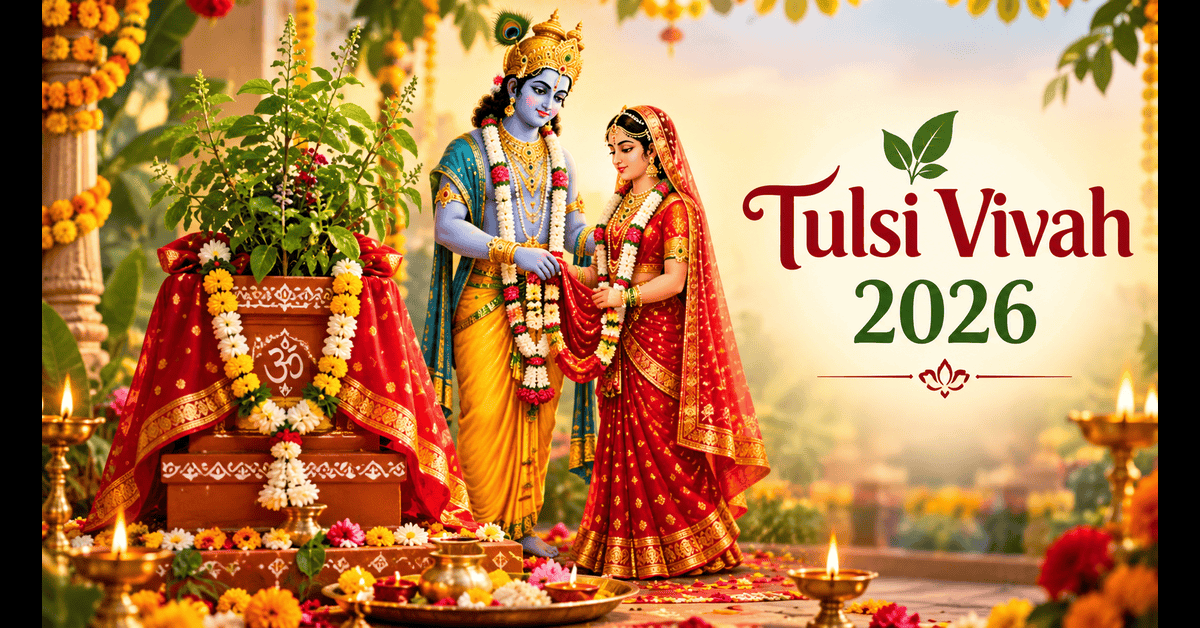
Tulsi Vivah is a well-known Hindu religious ceremony associated with the period of Dev Uthani Ekadashi. In this ritual, the sacred Tulsi plant is symbolically married to Lord Vishnu, often represented by Shaligram Shila.
The ceremony celebrates the divine bond between Tulsi and Lord Vishnu. Many households decorate the Tulsi plant, arrange a small mandap, offer flowers and sweets, and perform traditional wedding rituals.
Tulsi Vivah is observed on Dev Uthani Ekadashi in some regions, while other communities perform it on the following day or on another suitable date before Kartik Purnima. Therefore, devotees should follow their local Panchang and family customs.
For many families, the occasion is an opportunity to pray for harmony, happiness and prosperity in married life.
What to Eat and Avoid During the Vrat
Fasting practices differ from one family and community to another. Devotees should follow the rules associated with their chosen tradition.
Foods commonly consumed during a permitted fast:
- Fresh fruits and seasonal fruit preparations.
- Milk, curd and other permitted dairy products.
- Sabudana, kuttu flour or singhara flour, where allowed.
- Potatoes and other permitted fasting ingredients.
- Water and other suitable fluids, depending on the fasting method.
Practices commonly avoided on Ekadashi:
- Consuming rice and regular grains when following traditional Ekadashi fasting rules.
- Eating meat, fish or eggs.
- Drinking alcohol.
- Consuming foods prohibited by one’s family or religious tradition.
- Engaging in arguments, dishonesty or hurtful behaviour.
A fast should be observed with devotion rather than physical hardship. Anyone whose health may be affected should choose a suitable alternative and seek medical advice when necessary.
Benefits of Observing Dev Uthani Ekadashi
Devotees associate this Ekadashi with spiritual growth and the blessings of Lord Vishnu. Its traditional observances encourage several positive values:
- Spiritual discipline: Fasting and prayer provide an opportunity to practise self-control and mindfulness.
- Peace of mind: Chanting, meditation and devotional activities can help create a calm and reflective atmosphere.
- Family harmony: Praying for the happiness of loved ones can strengthen a family’s shared religious traditions.
- Generosity: Offering food or essential supplies to people in need encourages compassion and social responsibility.
- Renewed devotion: The festival gives devotees an opportunity to reflect on their actions and strengthen their commitment to a spiritual way of life.
These are religious and personal benefits associated with the observance, rather than guaranteed material outcomes.
Conclusion
Dev Uthani Ekadashi 2026 is an important occasion for devotees of Lord Vishnu. Observed on 20 November according to the commonly followed Smarta calendar, the festival signifies the end of Chaturmas and the renewal of auspicious religious activities.
Whether you observe a fast, perform Vishnu Puja, read the vrat katha or participate in Tulsi Vivah, the central message of this festival is devotion, discipline, compassion and faith. By following the appropriate local Panchang and your family traditions, you can celebrate Dev Uthani Ekadashi with sincerity and understanding.
To know more about various astrology-related services, contact Vedic Astro Kendra.
Mobile No.: +91-9810817817, 9319675902
WhatsApp: +91-9810817817
We deliver top-tier products and exceptional customer service to our valued clients. Our offerings includes Online Puja, Yantras and Kavach, Kundali Vishleshan (the creation and interpretation of birth charts), Vastu Shastra Consultations, as well as personalized recommendations for Gemstones and Rudraksha.